Parque Nacional de los Volcanes de Hawaiʻi planificador de visitas
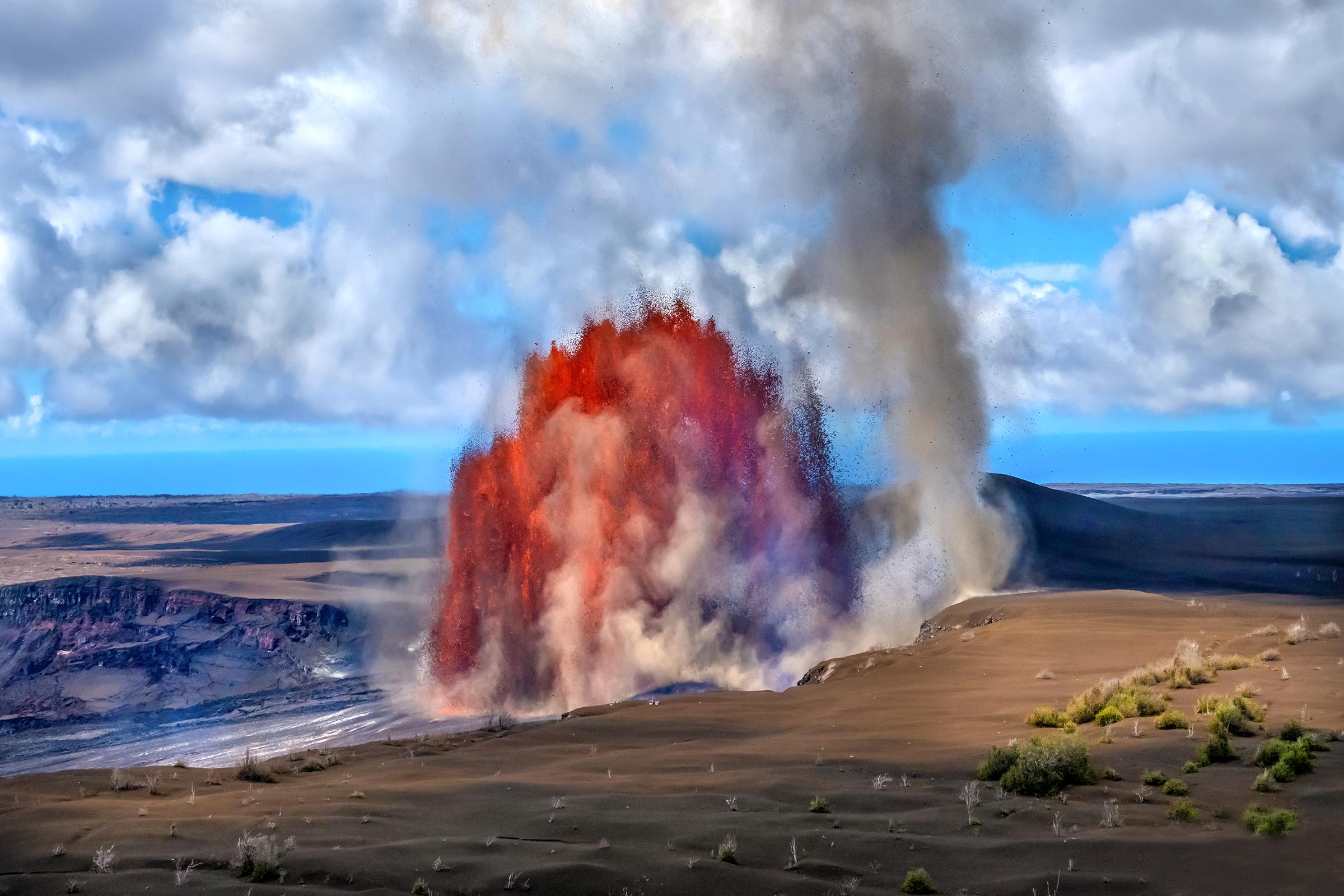
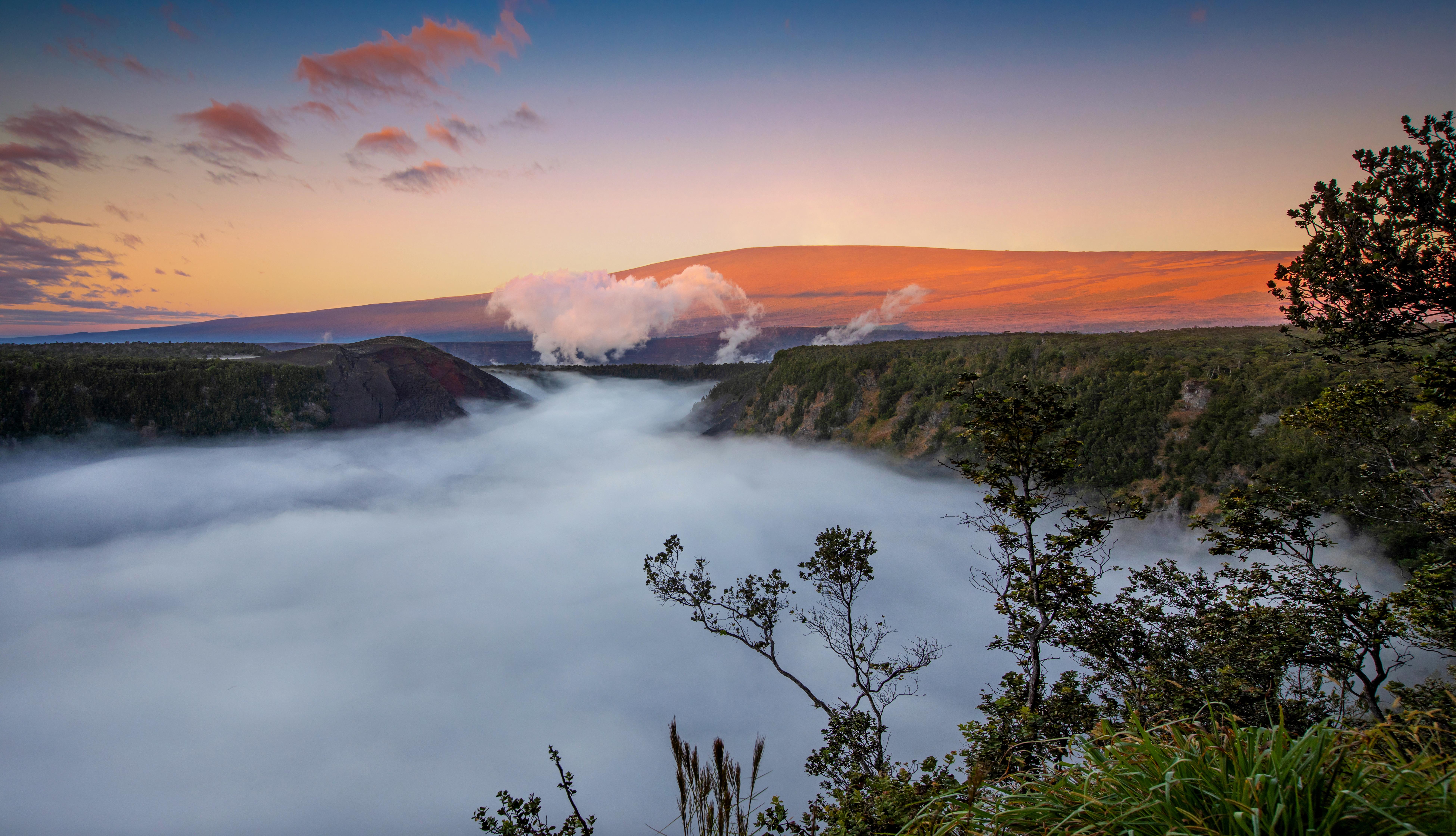
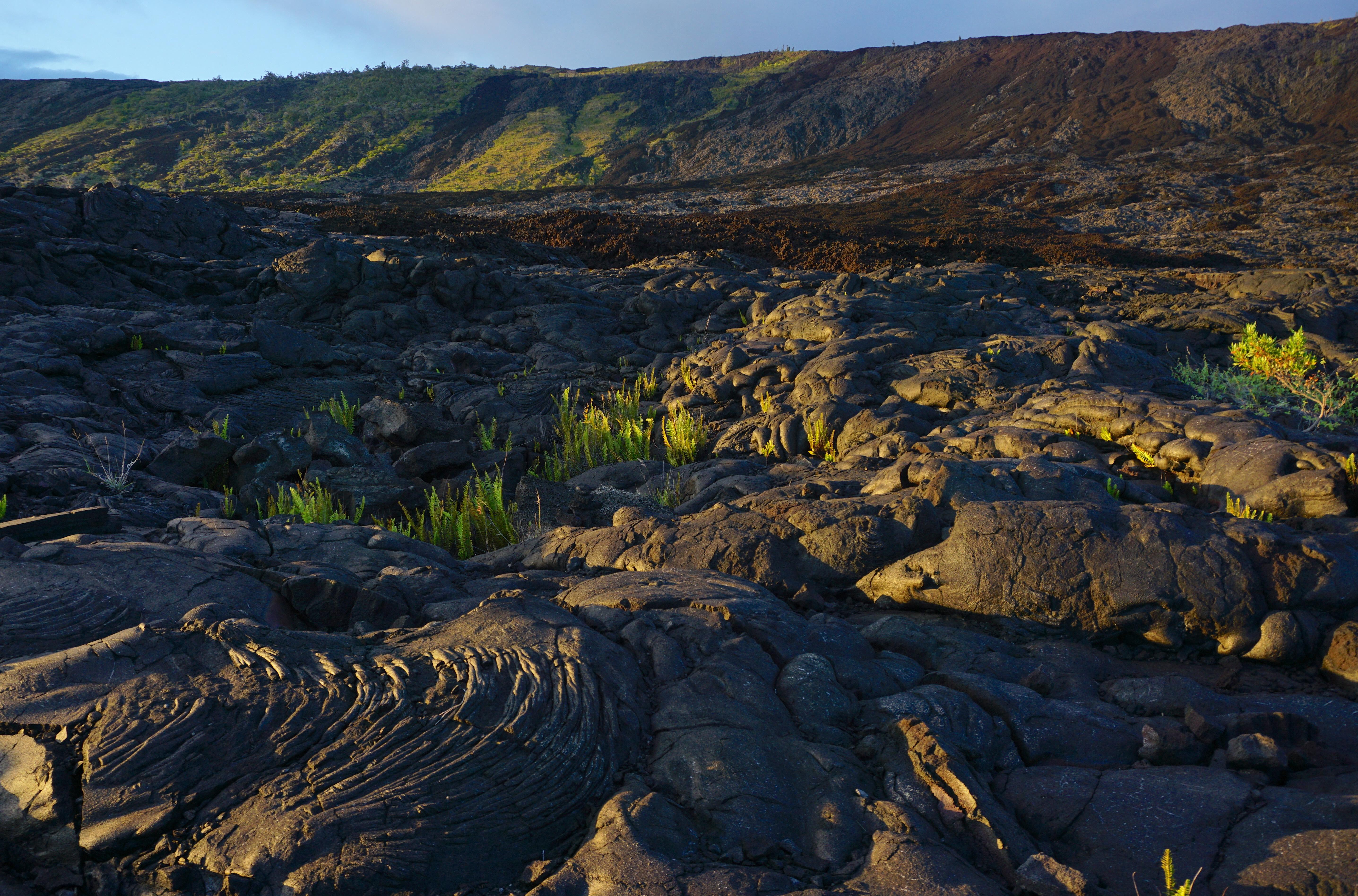
Hawai‘i Volcanoes National Park protects some of the most unique geological, biological, and cherished cultural landscapes in the world. Extending from sea level to 13,680 feet, the park encompasses the summits of two of the world's most active volcanoes - Kīlauea and Mauna Loa - and is a designated International Biosphere Reserve and UNESCO World Heritage Site.
La actividad volcánica y el gas volcánico (vog) pueden cambiar qué áreas y carreteras están abiertas. Consulte los avisos de erupción y calidad del aire antes de ir.
Weather comfort score from the NWS forecast for one representative point; tap a day to build a full hour-by-hour plan. Informational ranking built from National Weather Service forecasts, which change several times a day. It rates weather only — not safety, crowds, closures or road status. Check the park’s alerts and official conditions before you go.
Hilina Pali Road from the Maunaiki Trailhead to the lookout is closed to all use motorized vehicles from 6 a.m. to 4:30 p.m. Monday through Thursday for shoulder work. Hikers, bicyclists and backcountry permit holders will be given access but should expect delays while heavy machinery works on the road. The work should be complete by 11/30/26. The entire road will be open to all use outside of those hours including weekends and holidays.
Volcanic eruptions can be hazardous. Stay out of closed areas and monitor air quality. Eruptions can last a few hours and are often separated by pauses lasting several weeks.
Kīpukapuaulu Trail Closed Due to Hazardous Trees and Hanging Limbs
Kīpukapuaulu Trail remains closed due to numerous hazardous trees and hanging limbs resulting from several recent storms. Managers are developing a plan and will reopen the trail when it is safe.
Volcanic ash, rock and glassy strands (tephra) is present at Kīlauea summit and can irritate your skin, eyes and respiratory system. For your safety, do not handle it. Eye protection, long sleeves, long pants, a hat, closed-toe shoes and a dust mask are recommended.
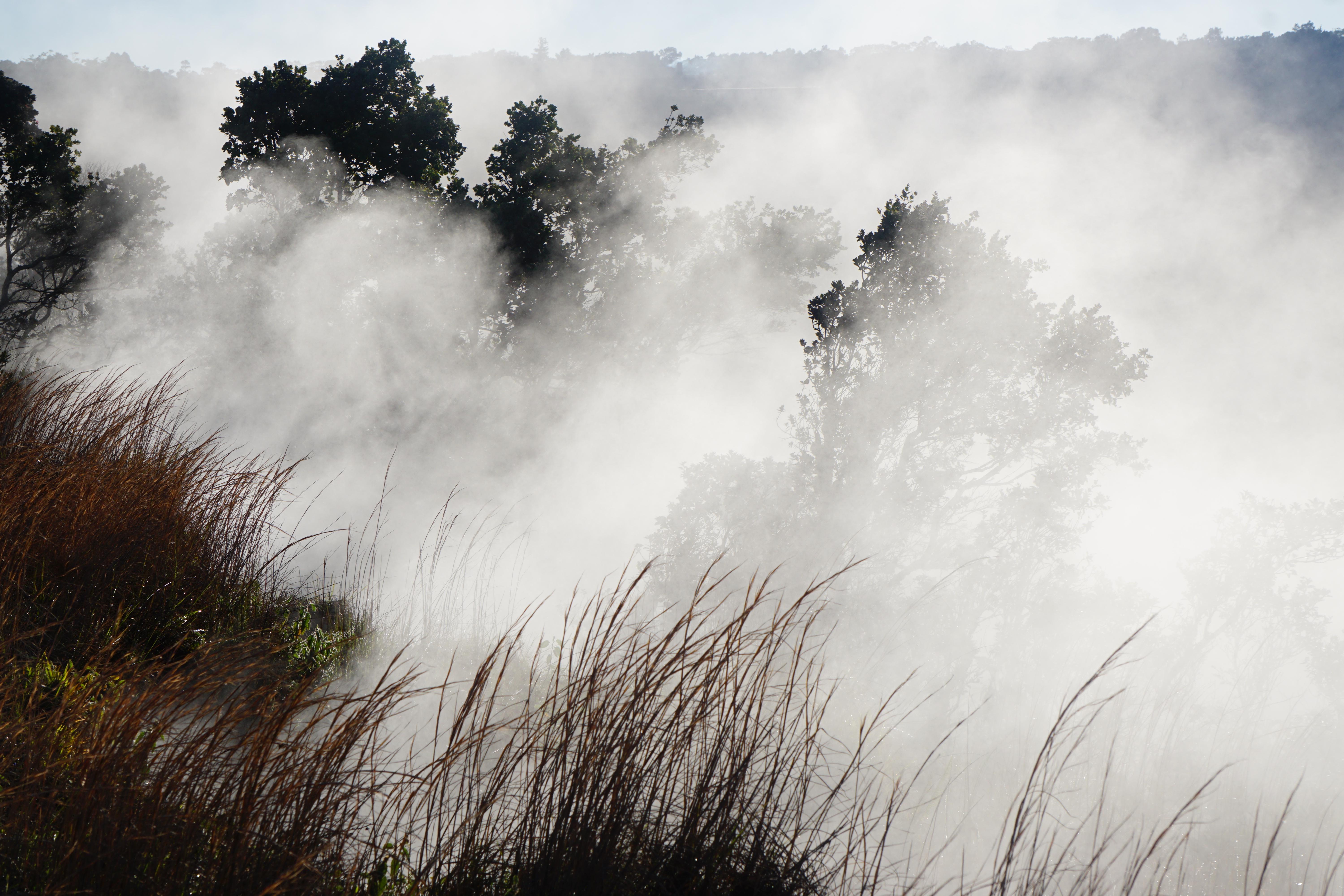
The Sulphur Banks Bridge is damaged and closed until further notice. The Haʻakulamanu area, boardwalk and Sulphur Banks Trail are open and accessible from the west side near Steam Vents.
Upper Kahuku Road Closed Beyond Boot Decontamination Station
Upper Kahuku Road remains closed beyond the boot decontamination station due to storm damage. The Visitor Contact Station and most trails in the Kahuku Unit are now open following Hurricane Lala. Kahuku Road above the Lower Palm Trailhead is deeply rutted by the recent heavy rains. A 4WD is recommended to access areas above the Lower Palm Trailhead.
Las diferencias de temperatura por altitud, los chubascos de vientos alisios y las condiciones volcánicas u oceánicas son importantes en los parques del Pacífico.
Private Vehicle Pass - The private vehicle pass admits the passholder and up to 14 passengers of a single, private (non-commercial) vehicle.
Entrance - Motorcycle$25.00
Valid for 7 days. Admits up to 2 private, non-commercial motorcycles with up to 4 total passengers.
Entrance - Per Person$15.00
Pedestrian/Cyclist Pass - Admits one individual bicyclist, hiker, or pedestrian visiting without a private vehicle. An individual pass is not required for visitors aged 15 and under.
Commercial Entrance - Mini-bus$100.00
The commercial entrance fee for a Road Based Guided Tour is based on vehicle seating capacity. For a 16-25 passenger vehicle the user fee is $100.
Commercial Entrance - Motor Coach$200.00
The commercial entrance fee for a Road Based Guided Tour is based on vehicle seating capacity. For a 26+ passenger vehicle the user fee is $200. Large vehicles, defined as more than 26 feet in length and/or more than eight feet wide, are only allowed to operate on Crater Rim Drive to Kilauea Visitor Center, Kūkamāhuākea (Steam Vents), and Uēkahuna. Mauna Loa
Hawai‘i Volcanoes National Park is open 7 days a week, 24 hours a day including holidays.
Kahuku Unit
The Kahuku Unit is open on Thursdays, Fridays, Saturdays and Sundays from 8 a.m. to 4 p.m. and is closed on Mondays, Tuesdays, and Wednesdays.
ACTIVITIES LISTED BY NPS
Arts and CultureBikingCampingBackcountry CampingCar or Front Country CampingGuided ToursHikingBackcountry HikingFront-Country HikingJunior Ranger ProgramWildlife WatchingBirdwatching
RESPUESTAS RÁPIDAS
Preguntas comunes sobre la planificación de Hawaiʻi Volcanoes.
¿El Parque Nacional Hawaiʻi Volcanoes cobra la tarifa de no residente de $100?
No. El Parque Nacional Hawaiʻi Volcanoes no está en la lista National Park Service de parques 11 con la tarifa para no residentes de $100. Se aplican las reglas estándar de entrada.
The NPS feed lists a private-vehicle entrance fee of $30 for Hawaiʻi Volcanoes National Park. Annual passes cover entrance fees but not camping, tours or reservation fees.
¿Es gratuito Hawaiʻi Volcanoes en los días sin tarifa?
En los National Park Service días sin tarifa, se eximen las tarifas de entrada para residentes de EE. UU. Todos los 2026 días sin tarifa ya han pasado. El National Park Service aún no ha publicado sus fechas 2027.
¿Dónde puedo consultar los cierres actuales en Hawaiʻi Volcanoes?
Utilice la página oficial de Condiciones Actuales del parque para el estado de carreteras, senderos e instalaciones. ParkVisitCheck muestra alertas NPS de la API, que pueden retrasarse respecto al sitio oficial hasta aproximadamente dos horas.
Reglas de tarifas revisadas en noviembre 5, 2026 comparadas con nps.gov. Tarifas, horarios y descripciones en vivo provienen de la API NPS al cargar la página.